
Protecting structural steel in a coastal climate
Heat, humidity and airborne salt make a harsher environment than most coating specifications assume.
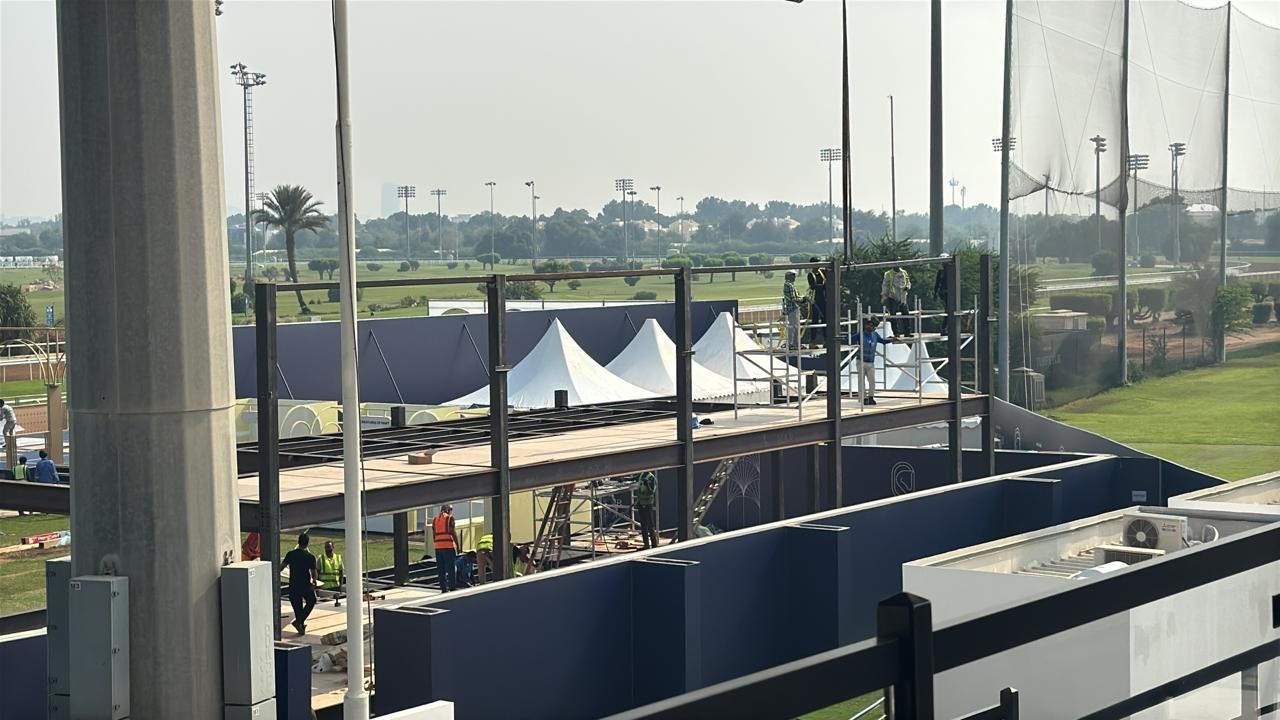
Steel corrodes where moisture, oxygen and contaminants reach it. All three are plentiful on a Gulf coastal site, and a specification written for a temperate climate will underperform here.
What makes the environment aggressive
- Airborne chloride from the sea, which accelerates corrosion and is carried well inland
- High humidity, keeping surfaces wet for long periods despite the heat
- Condensation cycling as temperatures swing between day and night, and between conditioned and unconditioned spaces
- UV exposure, which degrades the coating rather than the steel
Surface preparation decides the outcome
Coating performance is governed more by preparation than by product. Mill scale, rust, dust, oil and salt contamination all prevent adhesion. Blast cleaning to the specified standard, with the surface profile and cleanliness checked and recorded, is what makes the rest worth doing. A premium coating over poor preparation fails early and expensively.
Where corrosion actually starts
Rarely on an open, well-coated face. It starts at the details:
- Cut edges, where coating thins
- Bolted connections and faying surfaces
- Site welds, where shop coating was burnt back and not properly made good
- Damage from handling and erection, touched up carelessly or not at all
- Places that trap water and never dry
Making good on site
Damage during transport and erection is normal. Leaving it is not. Touch-up needs the same preparation discipline as the original coating, on the day, before the frame is enclosed and the detail becomes unreachable.