
Documentation that should survive the project
The building will outlive everyone who worked on it. What it needs from them is a record.
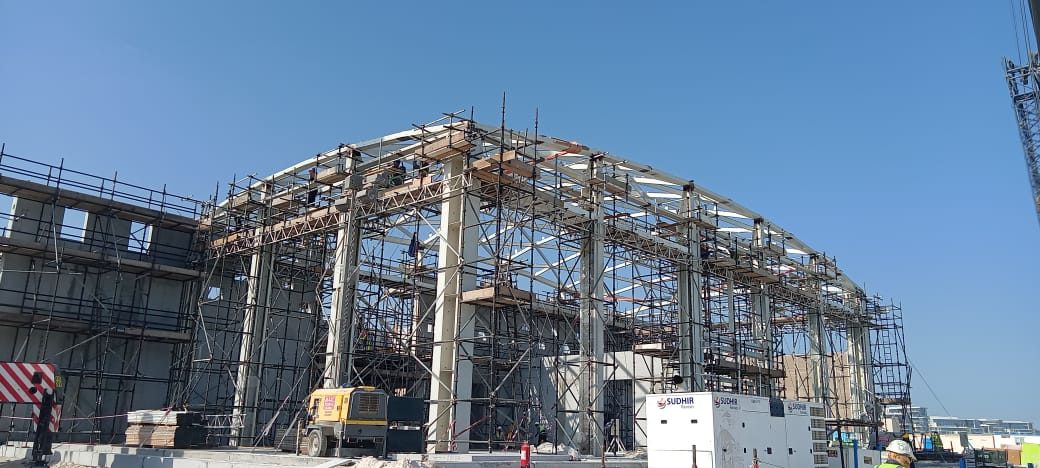
Three years after handover, nobody involved is contactable and the only thing left is the file. What is in that file determines whether the next repair takes an hour or a week.
As-built drawings
Not the design drawings. What was actually built, including every change made during construction. The gap between the two is precisely where the expensive surprises live.
Equipment records
- Make, model and serial number for every installed item
- Capacity and duty as installed
- Supplier and the date of supply
- Manufacturer's manuals, in a form that can be found again
Test and commissioning results
The readings taken when the plant was new are the baseline everything later is compared against. Without them, a performance question five years on has no reference point and becomes a matter of argument.
Inspection records
For structural work: material certificates, weld inspection and NDT results, bolt tightening records, survey results. These demonstrate that the structure was built as designed, and they cannot be reconstructed after the fact.
Maintenance history
From handover onward, what was done and what was measured. This is the record that makes a maintenance contractor change worthwhile rather than a reset to zero, which is why it should be specified as belonging to the building owner.
Keep it findable
A complete set of documents nobody can locate is equivalent to no documents. Named, indexed, stored somewhere that survives a change of facilities manager, and backed up.